

Chicken Cacciatore with Peppers is a hearty Italian dish made with golden-browned chicken, sweet red bell peppers, tomatoes, black olives, and capers.
White wine, rosemary, and garlic give the sauce its savory aroma as everything simmers together in one pot.
This version of pollo alla cacciatora is especially good with crusty Italian bread, creamy polenta, or roasted potatoes. It’s a satisfying family dinner that doesn’t require expensive ingredients or complicated techniques.
PRINT OR DOWNLOAD PDF OF THIS RECIPE HERE:
Chicken_Cacciatore_with_Peppers_RECREATED
Recipe Information
- Preparation Time: 15 minutes
- Cooking Time: 65–75 minutes
- Total Time: 1 hour 20 minutes to 1 hour 30 minutes
- Servings: 4
Ingredients
- 2.2 lb (1 kg) bone-in chicken thighs and drumsticks, skin on or off
- 1 large red bell pepper, seeded and sliced
- 1 medium white or yellow onion, thinly sliced
- 2 garlic cloves, lightly crushed
- ½ cup (120 ml) dry white wine
- 1 cup (240 ml) tomato passata
- 12 pitted black olives
- 1 tablespoon capers, rinsed and drained
- 2 tablespoons (30 ml) extra-virgin olive oil
- 1 tablespoon (15 ml) white wine vinegar, optional
- 2 bay leaves
- 1 fresh rosemary sprig
- 1 teaspoon dried oregano
- ¼ cup fresh parsley, chopped
- ¼ cup (60 ml) water, if needed
- Fine sea salt, to taste
- Freshly ground black pepper, to taste
The original family-style recipe includes white wine vinegar. In this updated version, the amount is reduced and optional to keep the sauce balanced.
How to Make Chicken Cacciatore with Peppers
Step 1 – Prepare the Chicken
Pat the chicken pieces dry with paper towels. Season lightly with salt and black pepper.
Wash and slice the bell pepper, thinly slice the onion, and prepare the remaining ingredients.
Use a large, heavy-bottomed skillet or Dutch oven with a lid.
Step 2 – Brown the Chicken
Heat the extra-virgin olive oil over medium-high heat.
Add the chicken pieces in a single layer, working in batches if necessary.
Brown for approximately 4–5 minutes per side, until the exterior develops a golden color.
Transfer the chicken to a clean plate.
The chicken does not need to be fully cooked yet; it will finish simmering in the sauce.
Step 3 – Cook the Peppers and Onion
Reduce the heat to medium.
Add the sliced onion and red bell pepper to the same pan.
Cook for approximately 5–7 minutes, stirring occasionally, until softened.
Add the crushed garlic, bay leaves, rosemary, and oregano.
Cook for another 30 seconds, until fragrant.
Step 4 – Deglaze with White Wine
Pour the dry white wine into the skillet.
Use a wooden spoon to scrape the browned bits from the bottom of the pan.
Allow the wine to simmer for approximately 2–3 minutes.
This adds flavor to the sauce. Cooking with wine does not guarantee that all its alcohol disappears.
Step 5 – Add the Tomato Sauce
Stir in the tomato passata.
Add the white wine vinegar, if using.
Return the browned chicken to the pan, together with any juices collected on the plate.
Spoon some sauce over the chicken pieces.
If the sauce seems particularly thick, add a little water.
Step 6 – Simmer Slowly
Cover the skillet partially and reduce the heat to low.
Simmer gently for approximately 35–45 minutes, turning the chicken occasionally.
The chicken should become tender, and the tomato sauce should develop a rich, savory flavor.
Use a food thermometer to verify that the thickest part of the chicken reaches at least 165°F (74°C). Avoid touching the bone with the thermometer.
If the sauce becomes too thick before the chicken is cooked, add a small splash of hot water.
Step 7 – Add the Olives and Capers
During the final 5 minutes of cooking, stir in the black olives and rinsed capers.
Taste the sauce before adding more salt, since both ingredients contribute saltiness.
Remove the bay leaves and rosemary sprig.
Step 8 – Serve
Transfer the chicken to a large serving dish or bring the skillet directly to the table.
Spoon the peppers, olives, and tomato sauce over the chicken.
Finish with freshly chopped parsley.
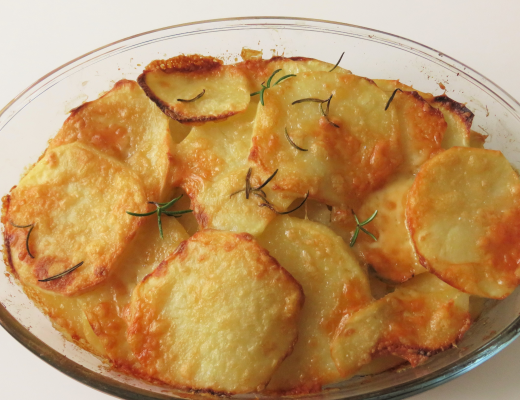
Serve hot with crusty Italian bread, polenta, or roasted potatoes.
Nonna’s Tips for Perfect Chicken Cacciatore
Brown the Chicken Before Simmering
Proper browning develops a deeper flavor in the finished sauce.
Avoid overcrowding the skillet, which can cause the chicken to steam rather than brown.
Use Bone-In Chicken
Bone-in thighs and drumsticks remain flavorful and tender during the relatively long simmer.
Chicken breast can be used, but it requires more careful cooking to avoid drying out.
Choose Sweet Red Bell Peppers
Red bell peppers add natural sweetness that balances the tomatoes, olives, and capers.
You can combine red and yellow peppers for a slightly different flavor.
Don’t Add Too Much Vinegar
White wine, tomatoes, olives, and capers already bring acidity and savory complexity.
Use the vinegar sparingly, or omit it entirely if you prefer a softer tomato flavor.
Simmer, Don’t Boil
Gentle simmering helps the chicken become tender while keeping the sauce from reducing too aggressively.
Taste Before Adding Salt
Capers and olives can make the sauce quite salty.
Adjust the seasoning only after they’ve been added.
What Is Pollo alla Cacciatora?
Pollo alla cacciatora means “hunter-style chicken.”
It is a traditional Italian preparation with many regional and family variations.
Some recipes use white wine; others use red wine. Tomatoes, peppers, mushrooms, olives, rosemary, and other ingredients may appear depending on the region and household.
There is no single ingredient combination that represents every Italian version.
This recipe focuses on a rustic variation featuring red bell peppers, white wine, olives, and capers.
Chicken Cacciatore with Peppers vs. Classic Chicken Cacciatore
Both preparations belong to the Italian tradition of hunter-style chicken, but their flavors can be noticeably different.
This recipe emphasizes sweet peppers, white wine, tomato sauce, capers, and olives.
For a variation featuring red wine, tomatoes, rosemary, and black olives, see our separate Chicken Cacciatore recipe:
https://mangiawithnonna.com/pollo-alla-cacciatora-authentic-italian-hunters-chicken/
What to Serve with Chicken Cacciatore
Crusty Italian bread: Ideal for soaking up the tomato sauce.
Creamy polenta: A traditional Italian accompaniment that pairs beautifully with braised chicken.
Roasted potatoes: A hearty option for Sunday dinner.
Sautéed vegetables: Swiss chard, spinach, or broccoli rabe provide a pleasant contrast.
Variations
With Mushrooms
Add approximately 8 oz (225 g) sliced mushrooms while cooking the bell pepper and onion.
Without Vinegar
Omit the vinegar entirely for a sauce that relies on tomatoes and wine for acidity.
With Green Olives
Replace the black olives with green olives for a sharper flavor.
With Mild Chili
Add a small dried chili pepper while cooking the aromatics, then remove it before serving.
Without Wine
Replace the white wine with an equal quantity of low-sodium chicken broth. The finished flavor will differ slightly.
How to Store and Reheat
Refrigerator: Refrigerate leftovers promptly in shallow, airtight containers at 40°F (4°C) or below. Use within 3–4 days.
Freezer: Freeze cooled chicken and sauce in airtight containers for approximately 2–3 months for best quality.
Reheating: Reheat thoroughly to 165°F (74°C). Add a little water if the sauce has thickened during storage.
Frequently Asked Questions
What is the difference between chicken cacciatore and chicken cacciatora?
They generally refer to the same Italian hunter-style chicken tradition. Pollo alla cacciatora is the Italian name, while Chicken Cacciatore is commonly used in English.
Can I use boneless chicken?
Yes. Boneless thighs work well, although their cooking time may be shorter. Always verify doneness with a thermometer.
Can I make chicken cacciatore ahead of time?
Yes. You can prepare it the day before serving, refrigerate promptly, and reheat thoroughly.
Should I use white or red wine?
Both appear in Italian family recipes. This pepper-based version uses dry white wine.
Can I omit the capers?
Yes. The sauce will be less briny, but the dish will still be flavorful.
Can children eat chicken cacciatore made with wine?
Cooking does not necessarily remove all the alcohol. For a version without wine, use chicken broth instead.
How do I know when the chicken is cooked?
Insert a food thermometer into the thickest part of the chicken, avoiding the bone. The minimum safe internal temperature is 165°F (74°C).
A Rustic Italian Family Favorite
Chicken Cacciatore with Peppers brings together familiar ingredients in a comforting, generous dish.
The peppers soften, the chicken becomes tender, and the tomato sauce absorbs the flavors of herbs, olives, and capers.
Serve it straight from the skillet with plenty of bread and enjoy a timeless taste of Italian home cooking.
Estimated Nutritional Information
Per serving: one-quarter of the recipe, including a share of the sauce
| Nutrient | Estimated Amount |
|---|---|
| Calories | 400–500 kcal |
| Carbohydrates | 11–16 g |
| Protein | 35–45 g |
| Total Fat | 21–31 g |
| Saturated Fat | 5–8 g |
| Sugars | 5–8 g |
| Fiber | 2–4 g |
| Sodium | 450–850 mg |
Values are approximate and vary considerably depending on the chicken cuts, skin, edible meat yield, amount of sauce consumed, olives, and added salt. These estimates are not laboratory-tested.


No Comments