

A Classic Southern Italian Treat Perfect for Breakfast or Coffee
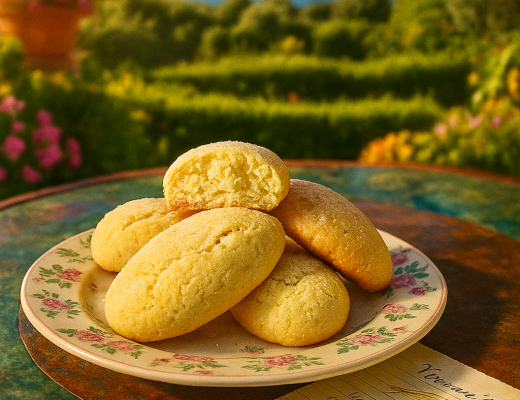
If you’re looking for an authentic Italian recipe that feels like it came straight from a Calabrian grandmother’s kitchen, these soft and sweet anise taralli are exactly what you need.
Lightly golden, gently scented with anise seeds, and perfectly tender, they are one of the most beloved traditional baked goods from Southern Italy.
Why These Sweet Taralli Are So Popular in Calabria
Unlike the crunchy savory taralli you may know, this Calabrian version is soft, slightly sweet, and made with simple pantry ingredients.
They’re often prepared for holidays, family gatherings, or just as an everyday comfort snack.
Perfect for Dunking, Sharing, and Keeping Fresh for Days
These baked taralli are ideal with:
A warm espresso or cappuccino ☕
A glass of milk for kids 🥛
Afternoon tea or dessert spreads 🍪
DOWNLOAD PDF WITH RECIPE OF SWEET ANISE TARALLI HERE:
Cooking Times + Servings
Prep time: 30 minutes
Rest/Rise time: 2 hours + 1 hour
Bake time: 30 minutes
Total time: about 4 hours (mostly rising)
Servings: 10–12 taralli (depending on size)
Ingredients
All-purpose flour: 4 cups (about 500 g), plus extra for dusting
Sugar: 1/2 cup (about 100 g)
Neutral oil (vegetable/canola): 1/4 cup (about 60 g)
Milk (room temperature): 2/3 cup (150 ml)
Egg: 1 large
Anise seeds: 2 tablespoons
Fresh yeast: 10 g (about 2 teaspoons crumbled)
Substitution: active dry yeast 3 g (about 1 teaspoon)
Salt: 1 pinch
For Brushing (Optional, for extra shine)
1 egg yolk + 1 tablespoon milk
Or just milk (less golden)
Instructions
1) Activate the yeast
In a small cup, add the room-temperature milk.
Crumble in the fresh yeast (or sprinkle the dry yeast) and stir until dissolved. Set aside for 5 minutes.
2) Make the dough
Sift the flour into a large bowl (or stand mixer bowl).
Add sugar, anise seeds, salt, and mix.
Add the egg, then pour in the milk + yeast mixture and the oil.
Knead (by hand or mixer) until you get a smooth, well-mixed dough that’s slightly sticky—about 8–10 minutes.
If it’s too sticky to handle, dust in a little flour a tablespoon at a time (don’t overdo it).
3) First rise
Form the dough into a ball.
Place in a bowl and cover (or cover the dough on the counter with an overturned bowl).
Let rise until doubled, about 2 hours.
4) Shape the taralli
Divide the dough into pieces and roll each into a thick rope (not too thin).
Cut portions weighing about 2.5–3 oz each (70–90 g), depending on how big you want them.
Shape each piece into a ring and press the ends firmly to seal.
5) Second rise
Place taralli on a baking sheet lined with parchment paper, leaving space between them.
Cover with a clean towel and let rise 1 hour.
6) Brush + bake
Preheat oven to 350°F (180°C).
Brush the tops with egg yolk + milk (or milk alone).
Bake for about 30 minutes, until deep golden and fully baked (ovens vary).
7) Cool + store
Cool completely on a rack.
Store in a metal tin or a food-safe paper bag to keep them pleasantly soft.
Tips & Tricks
Room-temp milk matters: cold milk slows the yeast.
Seal well: press the ends firmly so the rings don’t open in the oven.
Soft vs. crisp: these are meant to be soft and sweet—avoid overbaking if you want a tender bite.
Flavor boost: lightly toast the anise seeds in a dry pan for 30–60 seconds (optional), then cool before adding.
Frequently Asked Questions (FAQ)
Can I make sweet anise taralli without fresh yeast?
Yes! If you don’t have fresh yeast, you can substitute it with active dry yeast.
Use about 1 teaspoon (3 g) of active dry yeast instead of 10 g fresh yeast.
Just dissolve it in the milk the same way before mixing the dough.
Are these taralli soft or crunchy?
These are soft and sweet taralli, traditional to Calabria.
They are meant to have a tender, slightly chewy texture—not the crunchy, savory style taralli.
Can I use anise extract instead of anise seeds?
Yes, but the flavor will be different.
If you don’t like seeds, you can add 1 teaspoon of anise extract instead.
However, the seeds give the most authentic Calabrian taste.
How do I keep taralli soft after baking?
To keep them soft, store them once completely cooled in:
a metal cookie tin, or
a paper food-safe bag, or
an airtight container with a napkin inside
This helps prevent them from drying out.
Can I freeze sweet taralli?
Yes! These taralli freeze well.
Let them cool completely, then freeze in a sealed freezer bag for up to 2 months.
Thaw at room temperature before serving.
Why did my taralli open while baking?
This usually happens when the ends weren’t sealed tightly enough.
Make sure to press and pinch the dough firmly where the ring closes.
Can I make smaller taralli for snacks or kids?
Absolutely. You can divide the dough into smaller pieces for bite-sized taralli.
Just reduce the baking time slightly (check around 20–25 minutes).
What is the best way to serve Calabrian sweet taralli?
They’re traditionally served with:
espresso or cappuccino ☕
dessert wine 🍷
milk for kids 🥛
as a breakfast cookie or afternoon snack
Perfect for dunking!
Nutritional Facts (Approx. per tarallo, assuming 12)
Calories: ~170
Carbohydrates: ~27 g
Protein: ~4 g
Fat: ~5 g
Sugar: ~8 g
Fiber: ~1 g
Sodium: ~25 mg
(Estimates vary by exact size and ingredients used.)

SOFT ANISE TARALLI
Notes
Ingredients
- All-purpose flour: 4 cups (about 500 g), plus extra for dusting
- Sugar: 1/2 cup (about 100 g)
- Neutral oil (vegetable/canola): 1/4 cup (about 60 g)
- Milk (room temperature): 2/3 cup (150 ml)
- Egg: 1 large
- Anise seeds: 2 tablespoons
- Fresh yeast: 10 g (about 2 teaspoons crumbled)
- Substitution: active dry yeast 3 g (about 1 teaspoon)
- Salt: 1 pinch
For Brushing (Optional, for extra shine)
- 1 egg yolk + 1 tablespoon milk
- Or just milk (less golden)
Instructions
1) Activate the yeast
- In a small cup, add the room-temperature milk.
- Crumble in the fresh yeast (or sprinkle the dry yeast) and stir until dissolved. Set aside for 5 minutes.
2) Make the dough
- Sift the flour into a large bowl (or stand mixer bowl).
- Add sugar, anise seeds, salt, and mix.
- Add the egg, then pour in the milk + yeast mixture and the oil.
- Knead (by hand or mixer) until you get a smooth, well-mixed dough that’s slightly sticky—about 8–10 minutes.
- If it’s too sticky to handle, dust in a little flour a tablespoon at a time (don’t overdo it).
3) First rise
- Form the dough into a ball.
- Place in a bowl and cover (or cover the dough on the counter with an overturned bowl).
- Let rise until doubled, about 2 hours.
4) Shape the taralli
- Divide the dough into pieces and roll each into a thick rope (not too thin).
- Cut portions weighing about 2.5–3 oz each (70–90 g), depending on how big you want them.
- Shape each piece into a ring and press the ends firmly to seal.
5) Second rise
- Place taralli on a baking sheet lined with parchment paper, leaving space between them.
- Cover with a clean towel and let rise 1 hour.
6) Brush + bake
- Preheat oven to 350°F (180°C).
- Brush the tops with egg yolk + milk (or milk alone).
- Bake for about 30 minutes, until deep golden and fully baked (ovens vary).
7) Cool + store
- Cool completely on a rack.
- Store in a metal tin or a food-safe paper bag to keep them pleasantly soft.


No Comments