

Spezzatino di Manzo con Patate is a classic Italian comfort food made with tender chunks of beef slowly simmered with potatoes, vegetables, red wine, and tomato.
The secret is simple: give the beef enough time to cook gently until it becomes fork-tender, then add the potatoes toward the end so they stay soft and creamy without falling apart.
This rustic one-pot dish is especially good on cool days and is even better served with plenty of crusty Italian bread to soak up the rich sauce.
🖨️PRINT OR DOWNLOAD PDF OF THIS RECIPE HERE:
Cooking Time
- Prep Time: 20 minutes
- Cook Time: 2 hours
- Total Time: 2 hours 20 minutes
- Servings: 4
Ingredients
For the Beef Stew
- 2 lb (900 g) beef chuck, cut into 1½-inch cubes
- 2 tablespoons extra virgin olive oil
- 1 medium onion, finely chopped
- 2 medium carrots, diced
- 1 celery stalk, diced
- 2 garlic cloves, minced
- 1 cup (240 ml) dry red wine
- 1 cup (240 ml) tomato passata
- 1½ cups (360 ml) beef broth, plus more if needed
- 2 bay leaves
- 1 sprig fresh rosemary
- 1½ lb (680 g) Yukon Gold or other all-purpose potatoes, peeled and cut into large chunks
- 1 teaspoon fine sea salt, plus more to taste
- ½ teaspoon freshly ground black pepper, plus more to taste
Step-by-Step Instructions
1. Prepare the Beef
Pat the beef cubes thoroughly dry with paper towels.
Season them with salt and black pepper.
Drying the meat is important because it helps create a deep brown crust instead of steaming the beef.
2. Brown the Beef
Heat the extra virgin olive oil in a large Dutch oven or heavy-bottomed pot over medium-high heat.
Add the beef in batches, making sure not to overcrowd the pot.
Brown well on all sides, about 6–8 minutes per batch.
Transfer the browned beef to a plate and set aside.
Do not clean the pot. The browned bits on the bottom will add flavor to the sauce.
3. Cook the Vegetables
Reduce the heat to medium.
Add the onion, carrots, and celery to the same pot.
Cook for about 6–8 minutes, stirring occasionally, until the vegetables begin to soften.
Add the garlic and cook for another 30–60 seconds, just until fragrant.
4. Deglaze with Red Wine
Pour in the red wine.
Use a wooden spoon to scrape all the browned bits from the bottom of the pot.
Let the wine simmer for about 4–5 minutes, until it has reduced slightly and most of the strong alcohol aroma has cooked away.
5. Add the Tomato and Broth
Return the beef and any accumulated juices to the pot.
Add:
- Tomato passata
- Beef broth
- Bay leaves
- Rosemary
Stir well.
The liquid should come most of the way up the meat but does not need to completely cover it.
6. Slowly Cook the Beef
Bring the stew just to a gentle simmer.
Reduce the heat to low and partially cover the pot.
Cook for approximately 1 hour 15 minutes to 1 hour 30 minutes, stirring occasionally.
The beef should be starting to become tender before the potatoes are added.
If the sauce becomes too thick during cooking, add a small amount of hot beef broth or water.
7. Add the Potatoes
Add the potato chunks and gently stir them into the stew.
Continue cooking partially covered for approximately 30–40 minutes, or until both the potatoes and beef are completely tender.
Stir gently from time to time so the potatoes do not break apart.
8. Thicken the Sauce
During the final 10–15 minutes, remove the lid if the sauce is still too thin.
Let the stew simmer gently until the sauce reaches a rich, slightly thick consistency.
For an even creamier sauce, mash one or two potato pieces directly into the cooking liquid.
9. Finish and Serve
Remove the bay leaves and rosemary sprig.
Taste and adjust the salt and black pepper.
Let the stew rest for about 5–10 minutes before serving.
Serve hot with crusty Italian bread.
Nonna’s Tips
Choose the Right Beef
Beef chuck is one of the best cuts for spezzatino. It contains enough connective tissue and marbling to become exceptionally tender during slow cooking.
Brown the Meat in Batches
Crowding the pan lowers the temperature and causes the meat to steam rather than brown. A good sear adds considerable flavor to the finished sauce.
Don’t Add the Potatoes Too Early
Potatoes need much less cooking time than beef. Adding them after the beef has already simmered for over an hour keeps them from completely breaking apart.
Keep the Heat Low
Once the stew begins simmering, avoid a vigorous boil. Slow, gentle cooking helps tenderize the beef.
Watch the Liquid
Different pots lose moisture at different rates. Add a little extra hot broth if the stew becomes dry, or finish cooking uncovered if the sauce needs to reduce.
Make It Ahead
Spezzatino tastes excellent the next day. Cool it completely, refrigerate it, and gently reheat it over low heat. Add a splash of broth if the sauce has thickened too much overnight.
Optional Variations
For a slightly sweeter and more traditional vegetable flavor, add ½ cup frozen peas during the final 10 minutes of cooking.
For a less tomato-forward spezzatino, reduce the passata to ½ cup (120 ml) and replace it with an additional ½ cup of beef broth.
You can also omit the tomato completely for a spezzatino in bianco, although the flavor and cooking method will be slightly different.
What to Serve with Italian Beef Stew
Spezzatino di Manzo con Patate is already a complete and filling meal, but it pairs especially well with:
- Crusty Italian bread
- Homemade focaccia
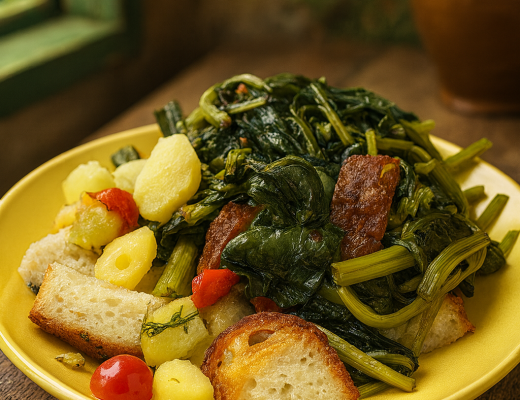
- Sautéed spinach
- Swiss chard
- Broccoli rabe
- A simple green salad
Storage
Allow the stew to cool completely before storing.
Keep it in an airtight container in the refrigerator for up to 3–4 days.
Reheat gently in a saucepan over medium-low heat, adding a splash of broth or water if necessary.
The stew can also be frozen for up to 3 months, although the texture of the potatoes may become slightly softer after thawing.
Nutrition Facts
Approximate nutrition per serving, based on 4 servings
| Nutrient | Amount |
|---|---|
| Calories | 650 kcal |
| Carbohydrates | 45 g |
| Protein | 48 g |
| Total Fat | 28 g |
| Saturated Fat | 9 g |
| Fiber | 6 g |
| Sugars | 8 g |
| Sodium | 850 mg |
Nutrition values are estimates and may vary depending on the cut of beef, broth, and exact ingredients used.
No Comments