
Italian cuisine is renowned worldwide for its simplicity, authenticity and quality.
The key to its success lies in the skillful use of a few basic ingredients, carefully selected to enhance natural flavors.
Whether you are an experienced chef or a home cook who wants to bring Italy into your kitchen, these essential ingredients should never be missing.

Extra virgin olive oil: The liquid gold of Italian cuisine
Extra virgin olive oil (EVOO) is the foundation of Italian cuisine, used both raw and in cooking. Its robust, fruity flavor enhances dishes, from salads to pasta sauces.
Rich in monounsaturated fats and antioxidants, high-quality EVOO is not only delicious but also beneficial to your health.
To ensure the best quality, opt for DOP (Protected Designation of Origin) or IGP (Protected Geographical Indication) certified oils, which guarantee traditional production methods.
Quality pasta: The heart of Italian cuisine
Pasta is the backbone of Italian cuisine and forms the basis of countless dishes. High-quality dry pasta is made from durum wheat semolina, which gives it a firm texture and the ability to hold sauces perfectly.
The most popular varieties are penne, spaghetti, farfalle and tagliatelle, each suited to different sauces.
Fresh pasta, especially in regions such as Emilia-Romagna, adds a homemade touch to Italian cuisine.
Parmigiano Reggiano: The king of cheeses.
Parmigiano Reggiano is a PDO cheese aged for months or even years, developing a rich nutty flavor and grainy texture. Grated over pasta and risotto or enjoyed in chunks, it enhances the flavor of many dishes. Its high protein and calcium content make it a tasty and nutritious choice.
Tomatoes: The basis of Italian flavor.
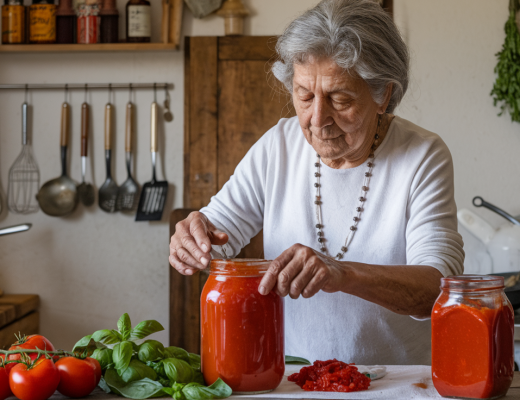
Tomatoes are a staple of Italian cuisine and form the base of sauces, pizzas, soups, and salads. Fresh or preserved (such as San Marzano peeled tomatoes or tomato puree), they provide sweetness, acidity and vibrant color to dishes.
Southern Italy, particularly Campania and Sicily, is known for producing the tastiest tomatoes.
Garlic: The aromatic enhancer.
Garlic is widely used in Italian cooking to give depth of flavor.
Often sautéed in extra virgin olive oil as a base for sauces and soups, its pungent aroma elevates dishes.
In addition to its culinary value, garlic boasts antibacterial and heart-healthy properties, making it both a flavor enhancer and a health ally.
Basil: The fragrant herb of Italian cuisine.
Fresh basil adds a burst of aroma and freshness to Italian dishes.
It is a key ingredient in pesto alla Genovese, which combines basil with EVOO, pine nuts, garlic, and Parmesan cheese. To maintain its fragrance, basil should always be added at the end of cooking.
Buffalo Mozzarella: The creamy delight.
Mozzarella di Bufala Campana DOP is one of Italy’s finest fresh cheeses. With its smooth texture and rich, milky flavor, it is a key ingredient in dishes such as Caprese salad and authentic Neapolitan pizza.
Its superior quality comes from the use of buffalo milk and traditional production techniques.
Flour: the basis of Italian breads and pastas.
Flour is essential for making pasta, pizza and bread. Type “00” flour is commonly used for pasta, while flours with a higher gluten content such as Manitoba or durum wheat flour are preferred for pizza and bread.
Semolina flour, with its coarse texture, is essential in Southern Italian cooking.
Balsamic vinegar: The sweet and spicy elixir.
Traditional balsamic vinegar from Modena or Reggio Emilia is a luxurious Italian condiment.
Aged for years, it develops a deep, sweet and spicy flavor that pairs beautifully with salads, meats, cheeses and even desserts. Authentic balsamic vinegar is DOP certified, a guarantee of its traditional production methods.
Italian cuisine is a celebration of simple, high-quality ingredients that come together to create unforgettable flavors. By incorporating these essentials into your cooking, you can master the art of authentic Italian cuisine and elevate your dishes with the flavor of Italy.

No Comments