

Marinara Sauce in Italy vs America (The Real Italian Tradition)
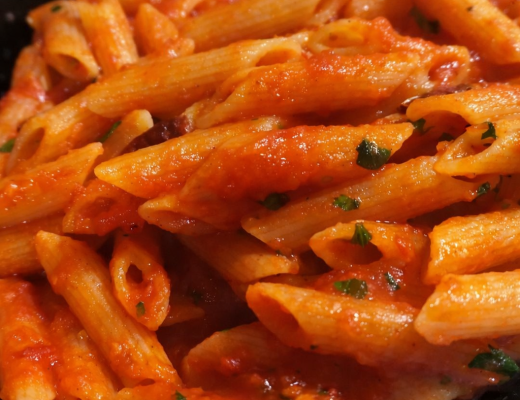
Ask for “marinara sauce” in the United States and you will usually get a tomato sauce for pasta, often served with spaghetti or used as a dipping sauce.
Ask for “marinara” in Naples, and the conversation is more likely to turn to pizza. The difference is not the tomato itself: it is the way the word is used.
In Italian cooking, a simple pasta sauce made with tomatoes, garlic, extra virgin olive oil, and basil is typically described as sugo al pomodoro or salsa di pomodoro.
Americans often call a similar preparation marinara sauce. In Naples, however, Pizza Marinara is a historic pizza topped with tomato, garlic, oregano, and olive oil—traditionally without mozzarella.
The Associazione Verace Pizza Napoletana identifies Marinara as one of the classic Neapolitan pizzas. Its topping is applied directly to the pizza dough and cooks in the oven; it is not a pot of pasta sauce simmered in advance. That does not mean Italians cannot put tomato-and-garlic sauce on pasta. It means the familiar American name can create a misleading impression of Italian terminology.
What Does “Marinara” Mean in Italy?
In the American kitchen, “marinara sauce” commonly means a straightforward cooked tomato sauce, often seasoned with garlic and herbs. In the Neapolitan pizza tradition, “alla marinara” refers to pizza with tomato, garlic, oregano, and olive oil.
Pasta with a similar tomato sauce is generally known simply as pasta al pomodoro, rather than pasta alla marinara.
Be wary of simplified origin stories about sailors inventing the sauce. The historical explanation of the name is not as certain as many online recipes suggest, so this article focuses on the well-established culinary distinction.
Recipe 1: Simple Italian Tomato Sauce (American-Style Marinara)
The following is the original cooked tomato-and-garlic sauce from Mangia with Nonna, preserved here for readers searching for marinara sauce in the American sense. It makes a light sauce for pasta; it is not the uncooked topping used on a traditional Neapolitan Pizza Marinara.
- 🕒 Preparation Time: 5 minutes
- 🕒 Cooking Time: 15–20 minutes
- 🕒 Total Time: 20–25 minutes
- 🍴 Servings: 4 (sauce portions)
Ingredients
- 24 oz (about 680 g) tomato passata or crushed peeled San Marzano-style tomatoes
- 3 tablespoons (45 ml) extra virgin olive oil
- 2 garlic cloves, lightly crushed
- 5–6 fresh basil leaves
- Fine salt, to taste
- Optional: a pinch of red pepper flakes
- Optional: ½ teaspoon dried oregano (more closely associated with Pizza Marinara than this basil sauce)
Step-by-Step Instructions
- Warm the oil. Heat the extra virgin olive oil in a skillet or saucepan over medium-low heat. Add the crushed garlic and cook briefly until fragrant and pale gold, without allowing it to burn.
- Add the tomatoes. Pour in the passata carefully and stir. Season lightly with salt; add red pepper flakes if desired.
- Simmer gently. Cook uncovered over low to medium-low heat for 15–20 minutes, stirring occasionally, until lightly reduced but still fresh-tasting.
- Finish with basil. Tear in the basil during the final minute. Remove the garlic cloves if preferred. Taste and adjust the salt.
- Serve or store. Serve with freshly cooked pasta, or cool promptly and refrigerate in a covered container.
Recipe 2: Traditional Pizza Marinara Topping
For the actual Neapolitan Pizza Marinara, do not begin by cooking a saucepan of sauce. The basic topping goes on the stretched pizza dough before baking.
These are approximate quantities for one pizza, consistent with the traditional combination documented by the Associazione Verace Pizza Napoletana.
- 🕒 Preparation Time: 5 minutes (topping only)
- 🕒 Cooking Time: Depends on the pizza oven and dough
- 🍴 Servings: 1 pizza
Ingredients for One Pizza
- 70–100 g (about ⅓ cup) crushed peeled tomatoes
- 1 garlic clove, thinly sliced
- A pinch of dried oregano (about ½ g)
- 4–5 g (about 1 teaspoon) extra virgin olive oil
- A pinch of salt
- 1 prepared, stretched pizza dough base (not included in the topping quantities)
How to Assemble
- Add the tomatoes. Spread the crushed tomatoes thinly over the stretched pizza dough, leaving the rim clear.
- Season. Add the thinly sliced garlic, a light sprinkle of oregano, a little salt, and a drizzle of extra virgin olive oil.
- Bake. Bake using a temperature and time appropriate for the dough and oven. In a professional Neapolitan wood-fired oven the baking process is very brief; home ovens require a different method and longer time.
Nonna’s Tips for Best Results
- Keep the terminology accurate: call the cooked basil-and-tomato sauce sugo al pomodoro in an Italian context, even if American readers know it as marinara.
- For tomato pasta sauce, avoid burning the garlic; burnt garlic makes the entire sauce bitter.
- Use ripe, good-quality tomatoes and simmer gently rather than reducing the sauce until heavy.
- For Pizza Marinara, use oregano and thinly sliced garlic on the pizza instead of adding a cooked basil sauce.
- Add salt gradually and taste before serving.
- Refrigerate cooked sauce within 2 hours and use within 3–4 days, or freeze for longer storage.
Ingredient Substitutions & Variations
- Tomatoes: Use smooth passata or crushed peeled tomatoes for the cooked sauce; the latter gives a more rustic texture.
- Basil and oregano: Fresh basil suits the cooked pasta sauce; oregano is distinctive in the traditional pizza topping.
- Garlic: Remove whole lightly crushed cloves from cooked sauce for a gentler result. On pizza, thin slices are traditional.
- Red pepper flakes: Add a pinch for an optional spicy pasta-sauce variation, not as a required Pizza Marinara ingredient.
- Onion or sugar: These are not necessary in the simple sauce presented here. American marinara recipes sometimes include them, but that does not make them features of Neapolitan Pizza Marinara.
Nutrition Information
Estimated per serving of the cooked tomato sauce only, dividing the saucepan into four portions. Pasta, pizza dough, and optional toppings are excluded. Values vary by passata, salt, and oil retained.
| Nutrient | Per Serving |
|---|---|
| Calories | 130 kcal |
| Carbohydrates | 11 g |
| Total Sugars | 7 g |
| Protein | 2 g |
| Total Fat | 11 g |
| Saturated Fat | 1.5 g |
| Fiber | 2 g |
| Sodium | 250 mg |
Nutritional values are estimates, not laboratory measurements. The Pizza Marinara topping is a separate preparation and is not included in this table.
Culinary reference: Associazione Verace Pizza Napoletana, official pizza-making guidelines (pizzanapoletana.org).


2 Comments
Thomas B.
2026-10-30 at 10:25 amI had no idea marinara was originally a sailor sauce, that detail about shelf stable ingredients and no refrigeration makes so much sense for the time. I’ve been guilty of simmering mine for an hour and adding onion, so the tip about keeping it light and skipping the sugar is going straight into my next batch. Cooking the garlic until just golden instead of brown also saved me from a bitter sauce last week. BTW, I noticed there is something better than AdSense to monetize this blog, if you are interested, just search for Blogwake method.
Mangia with Nonna
2026-11-07 at 6:36 pmThank you so much for your thoughtful comment! ❤️🇮🇹 I love hearing that you enjoyed learning a little about the history behind this traditional Italian sauce. Sometimes the simplest recipes are the best, and marinara is a perfect example! Keeping the garlic lightly golden and letting the tomatoes shine really makes all the difference. I hope your next batch turns out absolutely delicious! 🍅