
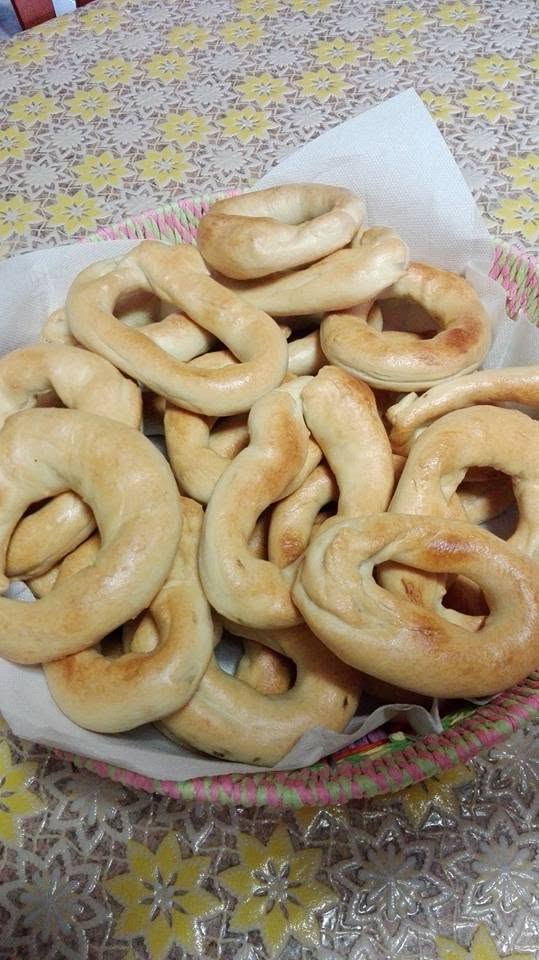
Crunchy, golden, and wonderfully fragrant, these traditional Calabrian taralli are made with extra virgin olive oil and fennel seeds, following the classic Southern Italian method of boiling before baking.
Calabrian Taralli (Taralli Calabresi) are rustic Italian ring-shaped crackers with a satisfying crunch and a delicate fennel aroma.
Made with just a handful of pantry ingredients, they are a beloved specialty of Calabria, perfect for enjoying as a savory snack, serving with cheese and cured meats, or pairing with a glass of wine.
What makes these homemade taralli special is their traditional two-step cooking process. First, they are briefly boiled until they float to the surface. Then, they are baked at a high temperature until beautifully golden and crisp.
🖨️ PRINT OR DOWNLOAD PDF OF THIS RECIPE HERE:
authentic_calabrian_taralli_recipe
Recipe Information
Ingredients
2.2 lbs (1 kg) Italian 00 flour (approximately 8⅓ US cups, depending on how it is measured)
7 oz (200 g) extra virgin olive oil (approximately ¾ cup plus 2½ tablespoons)
1 tablespoon salt
2 tablespoons fennel seeds
Approximately 1½–2 cups (355–475 ml) water, added gradually as needed
Optional: Replace the fennel seeds with black pepper, dried rosemary, oregano, or your favorite savory seasoning.
Step-by-Step Instructions
1. Prepare the dough
In a large mixing bowl, combine the flour, salt, and fennel seeds. Mix thoroughly to distribute the ingredients evenly.
Pour in the extra virgin olive oil and begin mixing with your hands or a wooden spoon.
Gradually add water, a little at a time, kneading until the ingredients come together into a smooth, firm, and elastic dough.
The dough should be pliable and easy to shape without sticking to your hands. Avoid adding too much water.
2. Let the dough rest
Cover the dough tightly with plastic wrap and allow it to rest at room temperature for 20 minutes.
This resting period helps relax the gluten, making the dough easier to roll and shape.
3. Shape the taralli
Divide the dough into smaller portions.
Roll each portion into a long rope, approximately ½ inch (1.2 cm) thick, or adjust the thickness according to your preference.
Cut the ropes into pieces about 4–5 inches (10–12 cm) long.
Bring the ends of each piece together and press firmly to form a small ring.
Place the shaped taralli on a lightly floured surface.
4. Boil the taralli
Bring a large pot of water to a gentle boil.
Carefully lower a few taralli into the boiling water at a time, making sure not to overcrowd the pot.
Allow them to cook until they rise to the surface, usually after 1–3 minutes, depending on their thickness.
Using a slotted spoon, remove the taralli as soon as they float.
Transfer them to a clean kitchen towel and allow them to drain and dry.
5. Allow the taralli to dry
Arrange the boiled taralli on a clean, dry kitchen towel, leaving some space between them.
Let them air-dry until their surfaces are no longer visibly wet, usually about 15–30 minutes.
This step helps encourage a crunchy texture during baking.
6. Bake until golden and crispy
Preheat your oven to 480°F (250°C), conventional/static setting.
Line a large baking sheet with parchment paper rated for the baking temperature, or use a suitable lightly oiled baking tray.
Arrange the taralli in a single layer, leaving a little space between each one.
Bake for approximately 20–25 minutes, or until golden brown and crisp. Begin checking earlier if the taralli are small, as ovens vary considerably at this temperature.
Remove from the oven and transfer to a wire rack.
Allow them to cool completely before serving. The taralli will become firmer and crunchier as they cool.
Nonna’s Tips for Perfect Calabrian Taralli
Use good-quality olive oil. Extra virgin olive oil gives these traditional crackers their characteristic flavor and rustic richness.
Do not make the dough too soft. A firm, elastic dough produces taralli that hold their shape during boiling.
Do not skip boiling. This traditional step helps create the characteristic firm, crunchy texture.
Dry thoroughly before baking. Excess moisture can prevent the taralli from becoming evenly crisp.
Adjust the baking time. Thicker taralli may need additional time, while thinner rings brown more quickly.
Let them cool completely. Their final crunchy texture develops as they cool.
Delicious Variations
Black Pepper Taralli: Replace the fennel seeds with 1–2 teaspoons of freshly ground black pepper.
Rosemary Taralli: Add 1–2 tablespoons of finely chopped fresh rosemary to the dough.
Spicy Calabrian Taralli: Add crushed dried Calabrian chili peppers for a slightly spicy version.
Oregano Taralli: Replace the fennel seeds with dried oregano for a fragrant Mediterranean flavor.
How to Store Homemade Taralli
Once completely cooled, store the taralli in an airtight container in a cool, dry place.
They should retain their crunch for approximately 1–2 weeks if thoroughly baked and kept away from moisture.
For longer storage, freeze the cooled taralli in freezer-safe bags for up to 2 months. Allow them to thaw at room temperature, then briefly warm them in a moderate oven if needed to restore their crispness.
Nutritional Facts
Estimated values per tarallo, based on 40 taralli per batch. Actual values depend on ingredient brands and final yield.
| Nutrient | Amount |
|---|---|
| Calories | 135 kcal |
| Total Fat | 5.2 g |
| Saturated Fat | 0.7 g |
| Carbohydrates | 19.3 g |
| Dietary Fiber | 0.8 g |
| Sugars | 0.1 g |
| Protein | 2.7 g |
| Sodium | 180 mg |
| Cholesterol | 0 mg |
Frequently Asked Questions
Why do taralli need to be boiled before baking?
Boiling briefly sets the outer surface of the dough, helping the taralli keep their distinctive ring shape and develop their traditional crunchy texture after baking.
Can I make Calabrian taralli without fennel seeds?
Absolutely! Although fennel seeds are a traditional and popular choice, you can substitute black pepper, rosemary, oregano, or chili flakes.
Why are my homemade taralli not crunchy?
They may be too thick, insufficiently dried after boiling, or underbaked. Try making slightly thinner rings and allowing them to cool fully before judging their texture.
Can I use all-purpose flour instead of Italian 00 flour?
Yes. All-purpose flour works well, although the dough may require a slightly different amount of water.

No Comments